
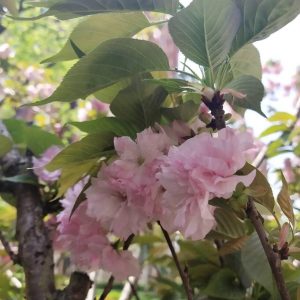
Cherry Blossom Tea: A Springtime Ritual of Tranquility
Cherry blossom tea, known as sakura-yu in Japan, is much more than a simple beverage. It is a cherished cultural tradition, often served during celebrations like weddings
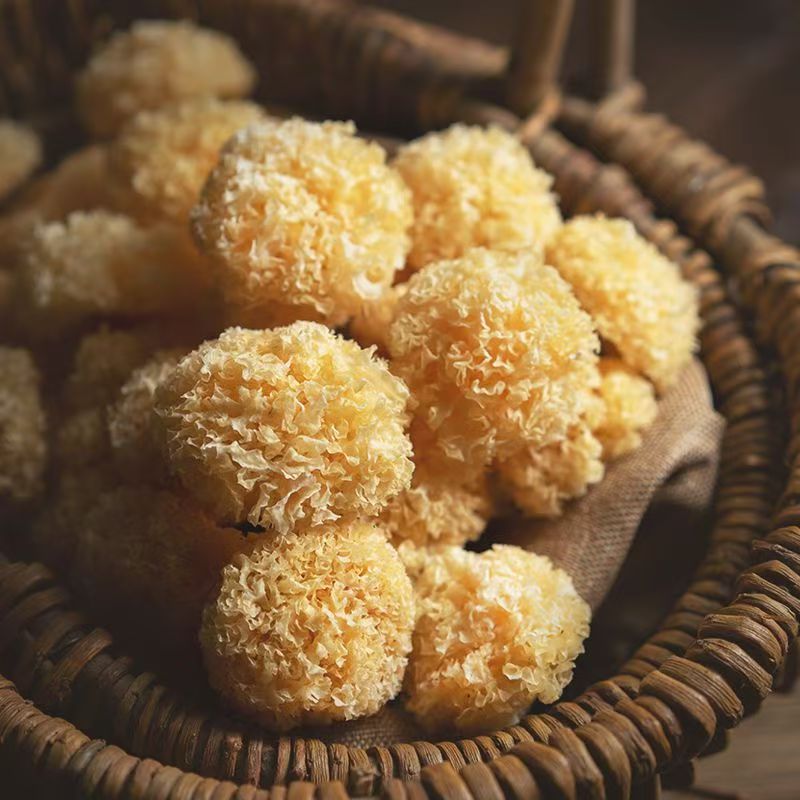
Snow Fungus, scientifically known as Tremella fuciformis, is a translucent, jelly-like mushroom with a long history of use in various cultural contexts, including Traditional Chinese Medicine (TCM). It is sometimes referred to as the “poor man‘s bird’s nest” in culinary comparisons.
From a compositional standpoint, Snow Fungus contains various nutritional components. It is a source of dietary fiber and contains unique polysaccharides, a category of carbohydrates also found in other plants and fungi. Like many natural foods, it also contains antioxidants.
Historically, within its cultural framework, this ingredient has been incorporated into dietary practices for its perceived nourishing qualities. It is commonly used in soups, desserts, and teas, particularly as part of seasonal culinary traditions.
In summary, Snow Fungus is valued as a part of historical food culture. Its appeal lies in its unique gelatinous texture and its role in diverse traditional recipes.
Disclaimer: This article describes the general characteristics and traditional context of an ingredient. It is for informational and cultural purposes only. This product is a food and is not intended to diagnose, treat, cure, or prevent any disease.
Cherry blossom tea, known as sakura-yu in Japan, is much more than a simple beverage. It is a cherished cultural tradition, often served during celebrations like weddings
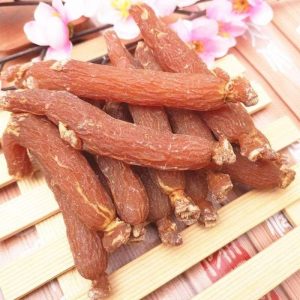
Red ginseng has been noted in various traditional practices for centuries, and its consumption as a tea remains a part of cultural heritage. Unlike raw
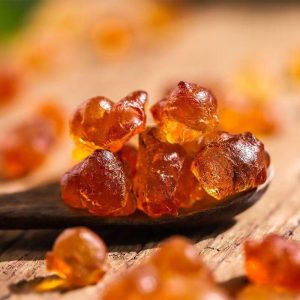
Peach gum, also known as peach resin, is a natural substance derived from the bark of peach trees. In various culinary traditions, especially across Asia,
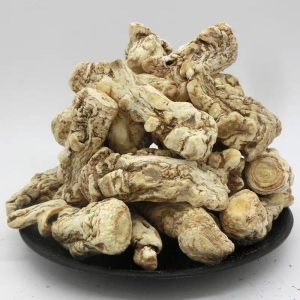
Dong Quai, scientifically known as Angelica sinensis, is a botanical with a long history of use in various cultural and traditional contexts. Its root is commonly