
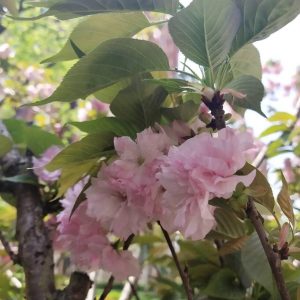
Cherry Blossom Tea: A Springtime Ritual of Tranquility
Cherry blossom tea, known as sakura-yu in Japan, is much more than a simple beverage. It is a cherished cultural tradition, often served during celebrations like weddings
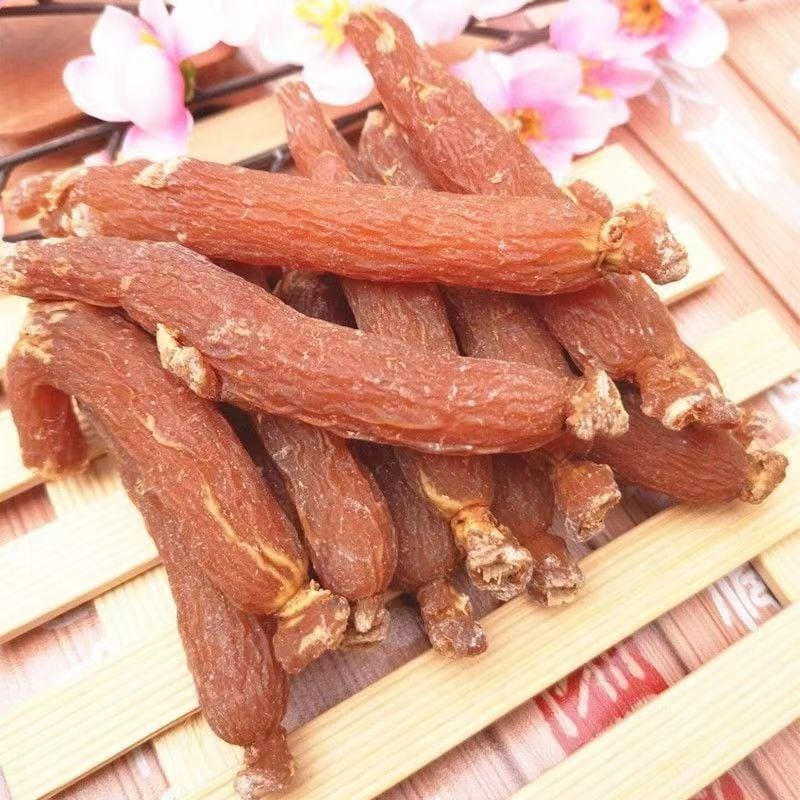
Red ginseng has been noted in various traditional practices for centuries, and its consumption as a tea remains a part of cultural heritage. Unlike raw ginseng, red ginseng undergoes a unique steam-processing method, which changes its profile and is traditionally believed to alter its properties. This beverage is valued as much for its cultural significance as for its distinct, earthy flavor.
Within traditional contexts, red ginseng is often categorized as an adaptogen—a term used in certain wellness philosophies to describe herbs that are historically consumed to help the body cope with stress.
From a compositional standpoint, red ginseng contains unique compounds called ginsenosides, which are the subject of ongoing scientific interest. Like many plants, it also contains antioxidants.
In traditional systems, this tea is also associated with supporting overall vitality. The warmth and ritual of preparing and drinking the tea are themselves considered part of its value.
Ultimately, a cup of red ginseng tea represents a long-standing tradition. For many, it is a daily ritual connected to a holistic view of well-being, appreciated more for its historical depth and sensory experience than for any specific outcome.
Disclaimer: This article discusses the traditional use and composition of red ginseng. It is for informational and cultural purposes only. This product is a food/herbal tea and is not intended to diagnose, treat, cure, or prevent any disease. Always consult a healthcare professional before making changes to your diet or wellness routine.

Cherry blossom tea, known as sakura-yu in Japan, is much more than a simple beverage. It is a cherished cultural tradition, often served during celebrations like weddings
Peach gum, also known as peach resin, is a natural substance derived from the bark of peach trees. In various culinary traditions, especially across Asia,
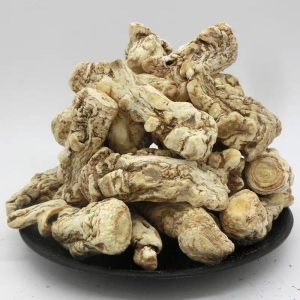
Dong Quai, scientifically known as Angelica sinensis, is a botanical with a long history of use in various cultural and traditional contexts. Its root is commonly
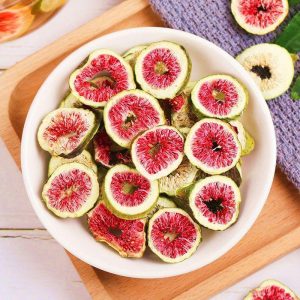
Fig tea is a soothing infusion made from the leaves or dried fruits of the fig tree. Steeping these parts in hot water releases its
