admin

admin

Cherry Blossom Tea: A Springtime Ritual of Tranquility
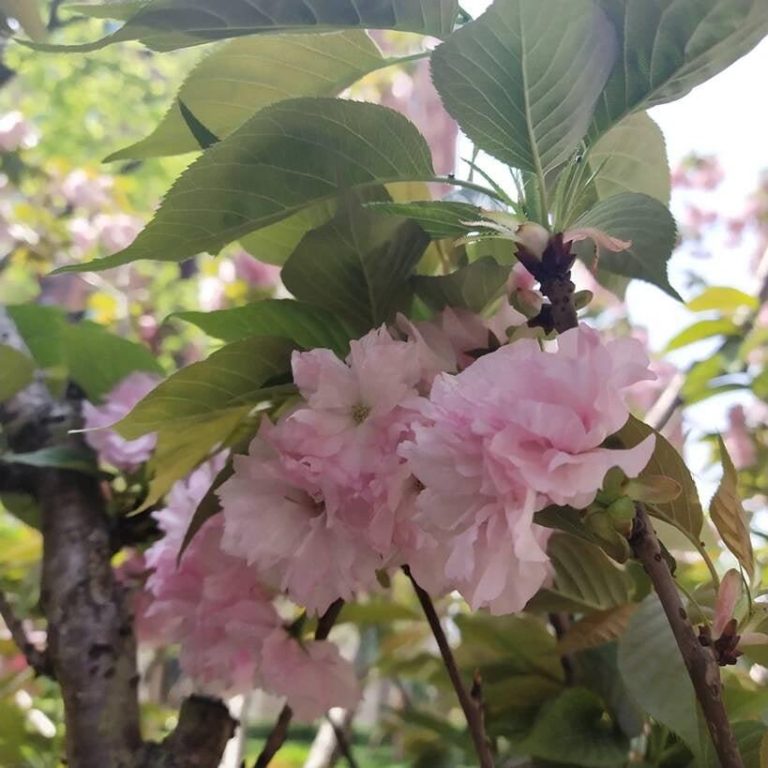
Cherry blossom tea, known as sakura-yu in Japan, is much more than a simple beverage. It is a cherished cultural tradition, often served during celebrations like weddings and Hanami (flower viewing), symbolizing happiness and new beginnings. This beautiful tea, made by pickling…
Red Ginseng Tea: A Steamed Tradition

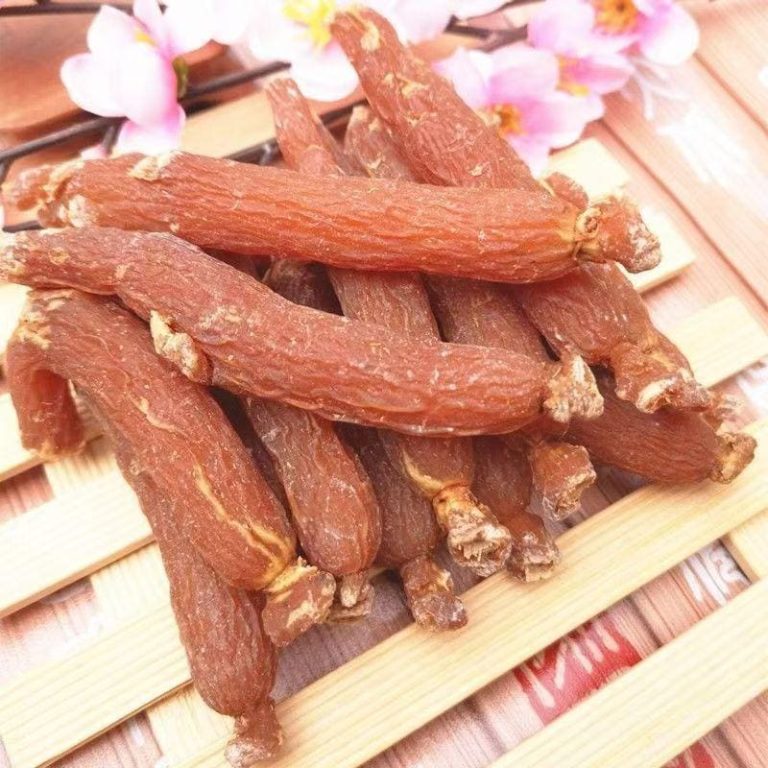
Red ginseng has been noted in various traditional practices for centuries, and its consumption as a tea remains a part of cultural heritage. Unlike raw ginseng, red ginseng undergoes a unique steam-processing method, which changes its profile and is traditionally…

Discover Peach Gum: A Traditional Culinary Ingredient

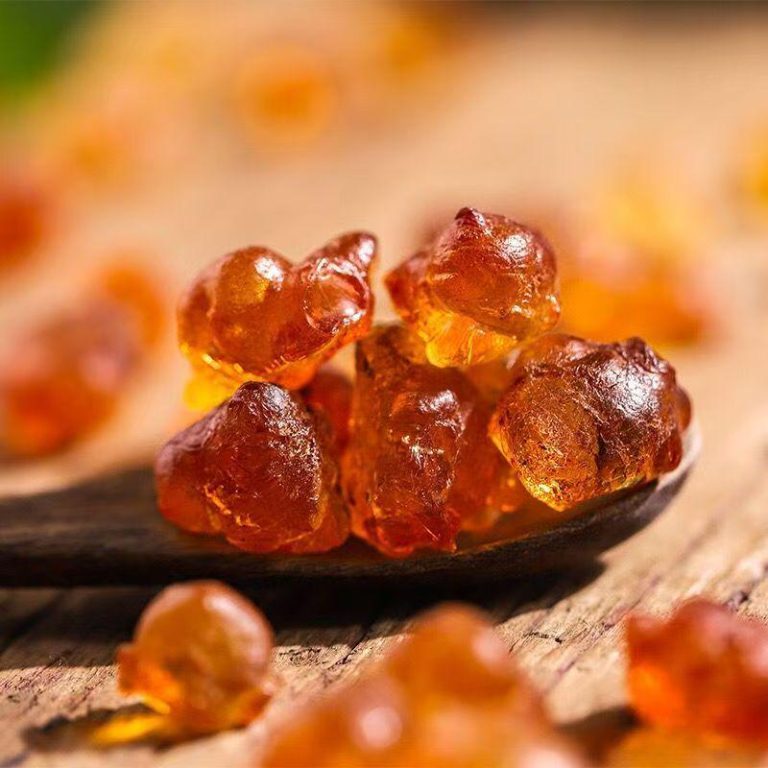
Peach gum, also known as peach resin, is a natural substance derived from the bark of peach trees. In various culinary traditions, especially across Asia, it has been collected and used for centuries. When cleaned and soaked, it transforms into…

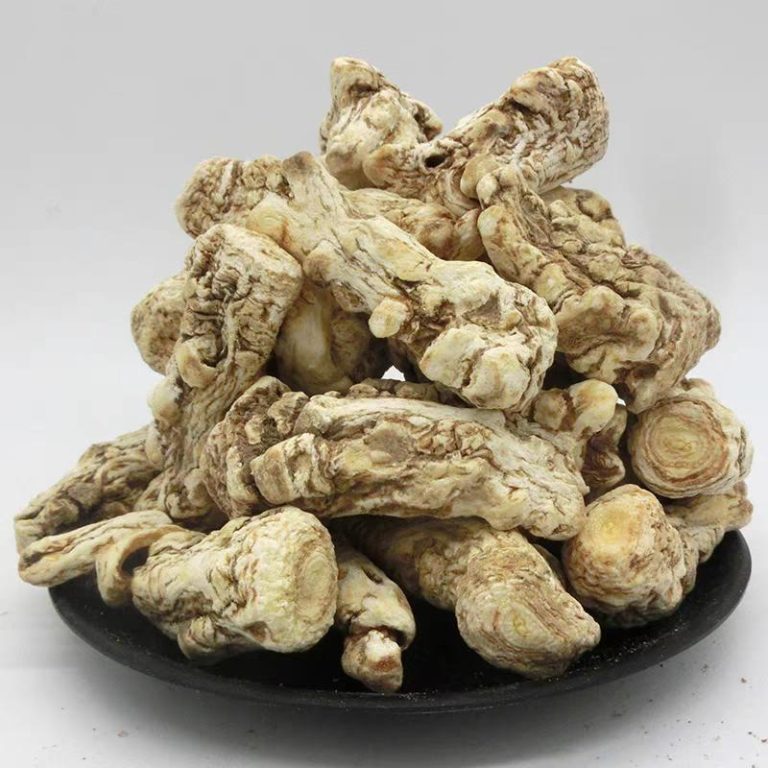
Dong Quai (Angelica Sinensis): A Root with Tradition

Dong Quai, scientifically known as Angelica sinensis, is a botanical with a long history of use in various cultural and traditional contexts. Its root is commonly prepared as a tea, decoction, or used in culinary applications, where it is appreciated for…

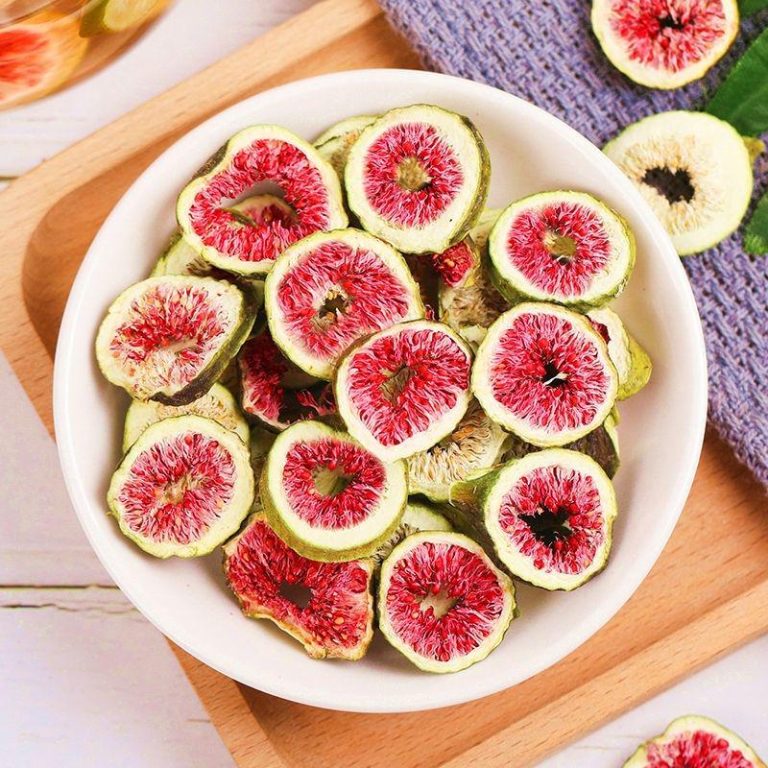
Fig Tea: A Naturally Sweet Infusion

Fig tea is a soothing infusion made from the leaves or dried fruits of the fig tree. Steeping these parts in hot water releases its characteristic gentle sweetness and subtle flavor, making it a beverage enjoyed in various cultures. Fig…

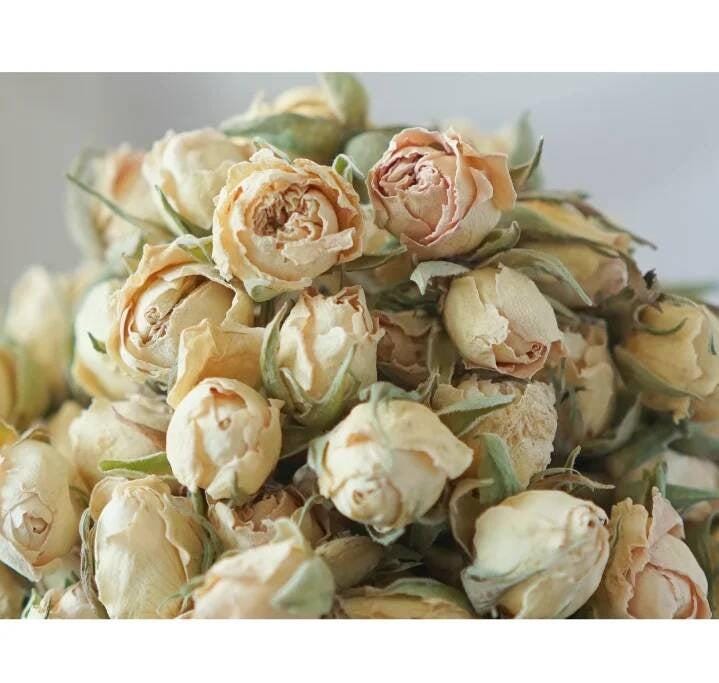
White Rose Tea: A Delicate Floral Infusion

White rose tea is a delicate and aromatic infusion made from the buds of the Rosa rugosa Alba plant. Beyond its fragrant profile, it holds a place in various cultural and historical traditions. Its subtle, sweet flavor is primarily enjoyed for the…

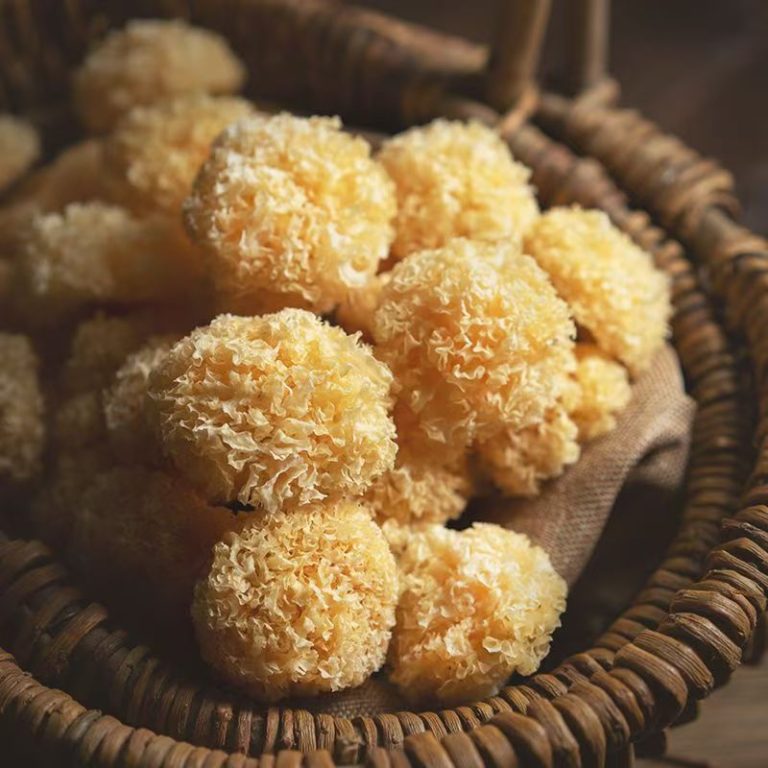
Snow Fungus: A Traditional Ingredient

Snow Fungus

Snow Fungus, scientifically known as Tremella fuciformis, is a translucent, jelly-like mushroom with a long history of use in various cultural contexts, including Traditional Chinese Medicine (TCM). It is sometimes referred to as the “poor man‘s bird’s nest” in culinary comparisons.…