
The Benefits and Effects of Cherry Blossom Tea

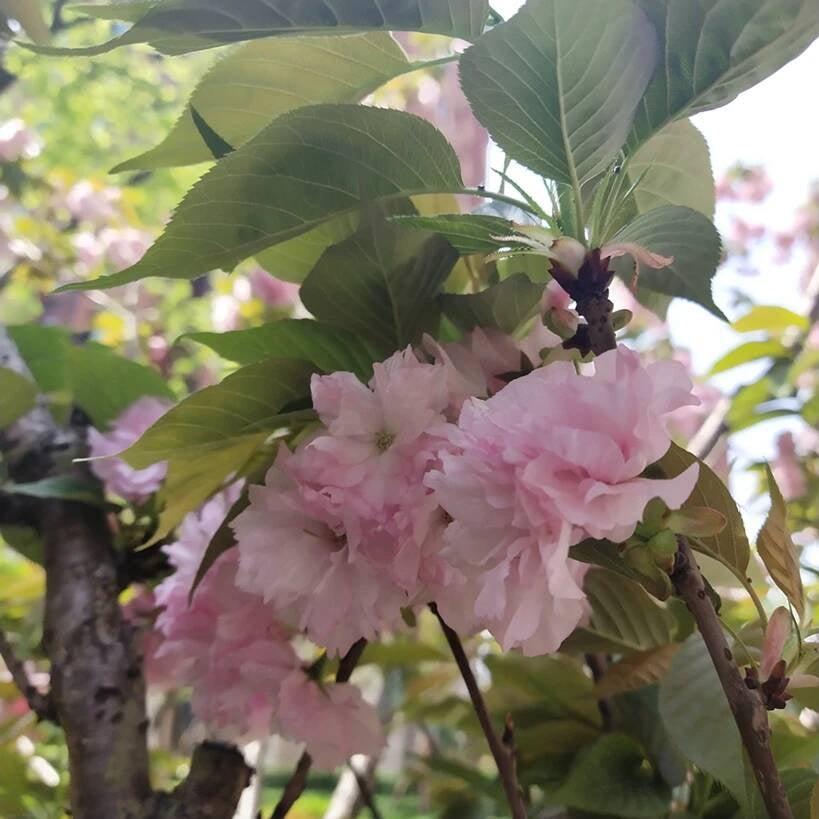
Cherry blossom tea, known as sakura-yu in Japan, is much more than a simple beverage. It is a cherished cultural tradition, often served during celebrations like weddings and Hanami (flower viewing), symbolizing happiness and new beginnings. This beautiful tea, made by pickling the leaves and flowers of the Somei Yoshino cherry tree in salt and plum vinegar, offers a unique combination of delicate flavor and subtle wellness benefits.

The most immediate effect of cherry blossom tea is its calming properties. The gentle, slightly salty, and floral aroma is known to have a soothing effect on the mind, helping to reduce feelings of stress and anxiety. Sipping a warm cup can be a form of aromatherapy, promoting relaxation and mental clarity after a long day.

Furthermore, the tea contains compounds inherent to the cherry blossom, such as coumarin, which is responsible for its distinctive fragrance. Coumarin is known to have antioxidant and anti-inflammatory properties, helping to protect the body’s cells from damage caused by free radicals. The pickling process also means the tea contains electrolytes, making it a beneficial drink for rehydration.

In Japanese culture, it’s also believed to aid digestion. It is often served after a meal to help settle the stomach, thanks to the natural compounds from the pickled leaves. The high concentration of quercetin, a flavonoid found in cherry blossoms, further supports this, as it is known for its anti-inflammatory effects on the gut.

In essence, cherry blossom tea is a holistic drink for wellness. It offers a moment of serene calm, provides antioxidant support, and aids in digestion, all while connecting the drinker to a profound sense of seasonal beauty and tranquility. It is a true embodiment of healing through nature’s elegance.

Share:

More Posts

Send Us A Message